How to Build Forum Website Software?
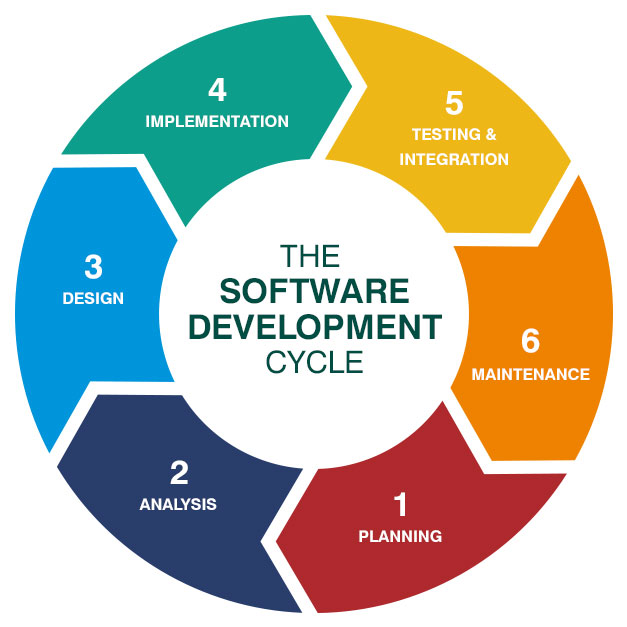
While ruling the internet for almost decades now, forums still have no signs of slowing down. Some are relying on it to get useful information about certain topics while others are using it to meet strangers and eventually turn them into rare friends simply.
When it comes to the world of industry, forums continue to build a strong online community. When built with reliable software, the relationship between the clients and company staff would remain solid. It is more convenient than social media since you can easily see any queries or concerns that a client has about your product or service by just posting it in your forum.
Why build a forum website software?
The advantages are so many to take in. Some businesses decide to invest in it to boost employee productivity. On the other hand, those who want to strengthen their relationship with their customers and ensure top-notch customer service choose a discussion forum. Using this, web users have the opportunity to engage in certain conversations by posting messages on the board. Besides providing a perfect channel for people with the same professions or interests, you’re improving customer loyalty as well.
So, how should you build forum website software?
Assembling your own forum is just made easier and quicker.
- Choose a forum layout. Your choices are endless. Just make sure it is neat and professional-looking. You can view an example of Xenforo layout by visiting the forum site Dirty Usernames.
- Set up forum topics and categories. Here, just think minimalist. You can start with a maximum of four forums. In case you have various forum subjects, the practical move is to group them together under a single forum. Then, make individual topic posts.
- Publish your website. Now that your forum is completely ready to go and spread the word. Why not ask a few of your friends who are interested in your board’s topic? This could be a good start to attract visitors and customers to share their own opinion, suggestion, or idea.
What features should the best forum website software comprise?
Most online forums available are pretty straightforward. They allow web users to register, make threads, and respond to the messages of other users through posting. Some also include role systems where moderators and admins are given full control of the site.
Aside from these basic functionalities, good software should also have private messaging to fosterinterpersonal skills, profile customization, powerful text editor, and comment signatures. These and more could go a long way towards increasing engagement among users while having a little fun at the same time.
Though, keep in mind that you don’t need to acquire all the advanced features that the software must-have. What you need should depend on the sort of experience you want to offer to your visitors and clients. For example, signatures are not necessarily important if the forum you want to set up would only allow users to submit support inquiry. Choose reliable forum software that provides all the functionality you will need to run a successful conversation.
How to Build Dating Website Software?

According to Dating Inquirer, Dating websites are among the massive hit nowadays, with a report of over 3 billion dollars of turnover annually. Its growing potential continues to drive in more business-minded persons to try their luck in the industry and earn impressive benefits.
But how should you get started? And since software plays an imperative role in making the dating website a real success, how should you make the most of it to generate money?
What Is Dating Software?
Online dating software is a piece of dating scripts or dating software intended to help users build a dating website from scratch. It is available in numerous sizes and shapes tailored towards everyone’s dating site requirements – with many interesting functions and features.
A good software should give you the chance to create advanced and simple search filters, ideal for beginners and professionals, user-friendly, as well as have tons of communication options (e.g., video chat and live chat), video and photo albums, forums or chat rooms, automatic database backups, profile and theme customization options, security protection, etc.
So, how to build dating website software?
Let’s start with the steps below!
- Your Niche
What could possibly be the type of audience suitable to your dating site? Dating sites for the military and same-sex are among the popular trends. What about free fuck sites which is a popular trend among 20-30 year olds? Why not opt for something else? Such as dating sites for sports or dating sites for gamers. Being unique means arising further interests among users.
- Brand name and Domain
Make sure the brand name you’re thinking up is short yet appealing with a salient top-leveldomain. Add .com at the end, so finding your site would be quicker.
- Design
The first thing is your logo. It should be a meaningful symbol that describes the concept of your business. Next is your template. Fortunately, several dating website software features a range of professionally-designed and stylishtemplates for free. As for themes, some of the features you’ll get is a basic search and advanced search, date tracker, user privacy, and skype chat integration.
- Promote
After rigorously deliberatingwith the design and function of your website, your next goal is to bring people into. This is critical for your revenue flow. You can do this through PPC advertising, search engine optimization (make your site search-engine friendly), email marketing, or others.
- Monetize
This is where the benefits of a good online dating website software become apparent. The software doesn’t just allow you to create a site but also offers premium access, in-app purchases, in-app ads, and a lot more to completely monetize your website.
Choose high-quality dating software
You can determine the real value of software through product flexibility, company record, performance ratio, and more. As for the price, it is not always recommended to go cheap. Otherwise, you’ll end up building a dating website that’s below your expectations. Opt for one that provides user-features that are highly crucial for making a successful community site. Testimonials and customer reviews could be credibly beneficial as well.


Debugging 101: How to Fix Common Programming Errors
Debugging is an essential skill for any programmer, as it involves identifying and resolving errors in code. Despite the best efforts of developers, bugs and other issues can still arise during programming for forum websites. In this blog post, we’ll cover the basics of debugging and offer tips on how to fix common programming errors.
Headings:
- Understanding the Debugging Process Debugging involves a systematic approach to identifying and solving errors. One of the first steps is to reproduce the error, so you can understand what’s causing it. Once you have a clear idea of the problem, you can start to examine the code and look for potential sources of the issue. In many cases, debugging involves trial and error, as you try different solutions until you find the one that works.
- Common Types of Programming Errors There are several common types of programming errors that you’re likely to encounter, such as syntax errors, runtime errors, and logical errors. Syntax errors are often caused by typos or other mistakes in the code, while runtime errors occur when the program encounters an unexpected situation. Logical errors are a bit more subtle and can be caused by incorrect assumptions or flawed logic in the code of a website software.
- Tips for Effective Debugging There are several strategies that can help you debug more effectively, such as using debugging tools like print statements or step-through debugging. It’s also important to stay organized and keep track of your progress, so you don’t waste time revisiting the same areas of code repeatedly. Finally, don’t be afraid to ask for help if you’re stuck – sometimes a fresh perspective can be all you need to solve a stubborn problem.
Debugging is an essential part of programming, and understanding the process and common types of errors can help you become a more effective developer. With a systematic approach, attention to detail, and a willingness to experiment, you can overcome even the most challenging programming errors and create code that works smoothly and efficiently.
Is Wix Better Than WordPress?
WordPress is the first choice for websites nowadays, and for a good reason. It has all the required features, is easy to use, and has great flexibility. What’s missing in WordPress is flexibility and support for many themes. That’s where Wix comes in. Wix is a great choice for people who don’t want to spend hours learning the WordPress toolkit.

To some, WordPress is the epitome of a blog platform, a simple, no-nonsense way to publish a simple website. But WordPress has evolved into a powerful CMS, with plugins that allow for all sorts of customization and customizations—so much so that some argue it’s now a full-blown blog management system.
WordPress is one of the most popular websites on the internet, and you are probably using it at this very moment. A free blog is a great way to start a blog, and maybe even a hobby, but it’s not the only way. Wix is a great website builder that allows you to create a free or premium website without the hassle of coding or HTML/CSS. It is a great alternative to WordPress or other design platforms. When it comes to hosting a website, you can use Wix because it is free. In addition, Wix offers a wide range of templates from which to choose, making it easy for you to create a website that perfectly fits your company’s brand.
The online website is the fastest-growing social media and marketing tool on the planet. In fact, it’s estimated that in 2017, 56% of US Internet users will interact with websites through social media. Even so, social media marketing isn’t for everyone. Some people just want to watch cat videos and play games on their mobiles. Others want a professional website that delights their customers with fantastic features. If so, what’s the best platform for you? Wix, WordPress, or both? Wix and WordPress are two of the most popular website hosting providers, and the two are often compared. Wix has many of the features of WordPress (and more), but WordPress has a reputation as being more secure and stable. Wix has a few advantages over WordPress, such as having a free version and a nice user interface. The biggest difference between the two is their popularity.
Typical Software Building Issues

Software is such a valuable tool for your business, especially if we’re talking about revenue and efficiency. However, developing software means dealing with various issues.
What are these common problems for software building, and what can you do to overcome them? Read on as we discover each of them!
Issue 1: Poor Requirements
Requirements that are too general, not testable, sketchy, and ill-defined could potentially lose the momentum of a project, eventually causing risks among software developers.
Solution: Solid requirements must be thoroughly implemented by all players – clear, complete, cohesive, detailed, and cohesive. Incessant strict coordinationwith end-users or clients is highly necessary to understand the emerging or changing requirements.
Issue 2: Miscommunication or Deficient Communication among Teams
Problems are also expected if some developers do not know what is exactly needed. Interpersonal conflicts often occur as well, whether due to different mindsets, high-performance stress and pressure, or others.
Solution: Promote cooperation and teamwork. Also, the development teams should have a vivid understanding of the problems that lie ahead of them and a perfect solution to get overthem.
Issue 3: Poor Schedule
Building software is a time-game. Developers usually work under pressured settings and attemptto complete the task requirements. The challenge is more evident when working with numerous customers in multipletime zones.
Solution: Allow decenttime for planning, testing, design, changes, etc. Deadline extensions can be requested whenevernecessary.
Issue 4: Unstructured Tools
When it comes to managing software construction projects, almost eighty-nine percent of businesses were reported utilizing unorganized tools. These would eventually lead to errors and wasted resources
Solution: A construction management solution can be implemented, including planning and monitoring the project’s progress.
Issue 5: Insufficient Testing
A major issue that most developers face. Nobody will know if a software is in tip-top shape and is functioning well until the system crash or the clients give a horrible complaint.
Solution: Plan for sufficienttime to bug-fix and test the software.
Issue 6: Security
Customers surely want to ensure that their data is closely secured and safe from potential threats. Especially these days, security breaches are very high. This is one of the biggest responsibilities that every developer encounters.
Solution: Do all crucial core activities to create a secure application and always use the newest version of a programming language when building software.
Issue 7: Technology Advancement
Technology advancements are a huge blessing to the IT industry. And, we cannot deny that fact. However, at the same time, technologies that evolve at a rapid rate cause more pressure for software creators. They have to leverage these technology trends to stand out in the market and gain a competitive edge.
Solution: Proper planning and management could help developers to adapt to them quickly.
Issue 8: Application and System Integration
Integrating custom or third-party applications can add significant complexity to the project. They may likely lead to delays, additional expenses, and lowered quality.
Solution: Design and construct new solutions, assess and test ideas to assure optimum integration, and understand well the end-user requirements.
What are Software Consultants?

Perhaps you’re dealing with common software problems like security issues, chaotic code, or improper data handling. These inconveniences and failures cause can hurt the overall operation of your business. This is where software consultants come at hand. Though, some people are still confused and ask what exactly a software consultant is. What are their responsibilities and roles?
Software Consultants Defined
Simply putting it, software consultants are professionals who provide expert software consulting services. Companies that need an outside, expert opinion about company decisions rely on them heavily. Clients are advised on how to solve business problems, how to use software to meet business objectives, or how a certain application must be executed through current industry approaches. They often give technical advice about appropriate ways of configuring a vast application. Functional and technical skills are what they usually possess – which are all highly crucial in their area of expertise.
Consultants meet with business owners, determine the needs of their company, and then develop the right software solutions to make their daily operations easier and more efficient. The software solution they offer is custom and geared to each company’s specific needs.
Roles and Responsibilities
Software consultants have a range of roles and responsibilities allotted to them, such as:
- Offer an assortment of software solutions
- Recommend implementations and developments of software
- Identify and accumulate business requirements
- Coordinate workflow process
- Implement program changes and modifications
- Develop extremely functional system changes and quantitative modifications
- Assess and review technical design, processes, and quality issues
- Work with software professionals to build software solutions
One of the biggest things that software consultants does for a business is aid with their digital presence. They primarily focus on mobile application and web design since online e-commerce is in massive popularity right now.
In what areas could they be of utmost assistance?
Experts can get a genuine picture of the sorts of things that business owners need (e.g., website application and interface). Those needs will then be translated into software solutions. Software consultants come up with a solution that sets up the website and other software of a company as well as provides regular maintenance and constant updates. Other spectra of services are offered related to the online solution development.
Lots of things could go wrong with your software. You want to ensure it is functioning well and right; otherwise, all of your money and time would come to waste. You may opt to hire software consultants in case there’s non-optimal utilization of resources and poorly organized work in team organization, security issues, wrong technology choice, and more.
To sum it up, software consultants can help at any stage of software development. Because they have a wide variety of experiences and expertise, they can skyrocket your business from being good to great. The cost of a consultation merely depends from one company to another. Sometimes, it’s included in the project expenses, and sometimes it is part of the entire project’s service – partially free of charge.